
Departmental characteristics
Through repeated practice in programming, we can enjoy learning information technology and contribute to society.
In "Information Science Exercises A and B," students cultivate a broad range of knowledge and applied skills through practical exercises based on each instructor's area of expertise. For example, exercises led by information science faculty cover diverse topics such as smartphone and web applications, game development, the fundamentals of AI and IoT, and robot control. Through these materials, students hone their basic information technology skills and enhance their analytical and problem-solving abilities while repeatedly practicing programming. Furthermore, they solidify their foundational skills for comprehensive research and prepare to develop applied skills in the real world. Upon completion of the required credits, students can obtain teaching licenses in mathematics (junior and senior high school) and information technology (senior high school).
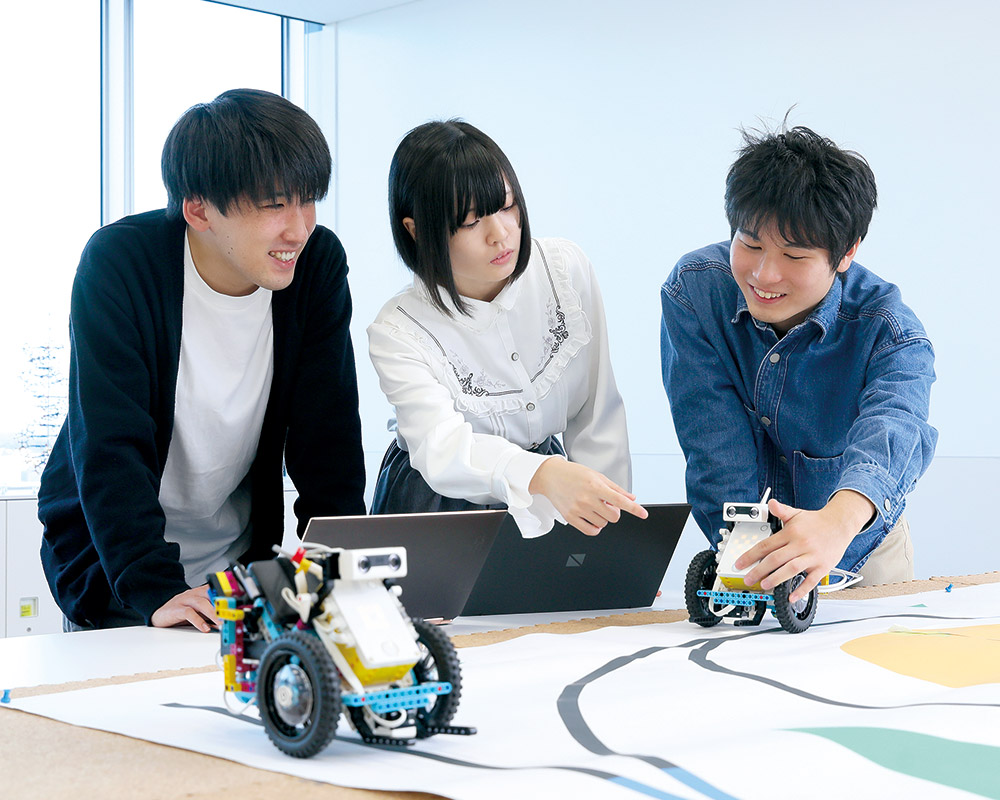
All students will learn from the basics and acquire the expertise to utilize data in society.
In the first and second years, courses are offered to help students understand the fundamentals of each field—information science, mathematical science, and social science—allowing them to learn each field from the basics and develop a broad perspective, regardless of their prior knowledge of data science. From the third year onward, students will develop expertise in the fields that have piqued their interest through their studies. In Department of Information Science group, students will primarily deepen their knowledge of programming and AI to cultivate data utilization skills, while in the mathematical science course group, they will learn basic mathematics as well as cryptography necessary for handling data. In the social science course group, students will consider how to utilize the data they analyze to address demands from the business world and various social issues such as the declining birthrate, aging population, and regional revitalization.
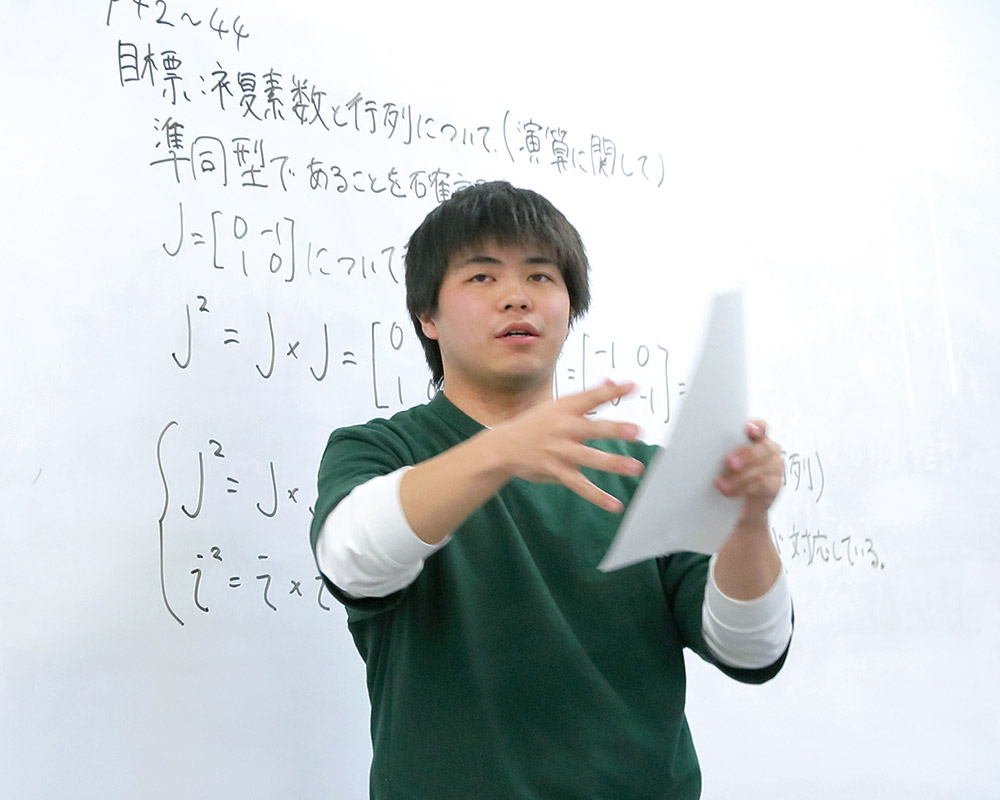
To cultivate individuals who can learn information technology at a high level and manage AI.
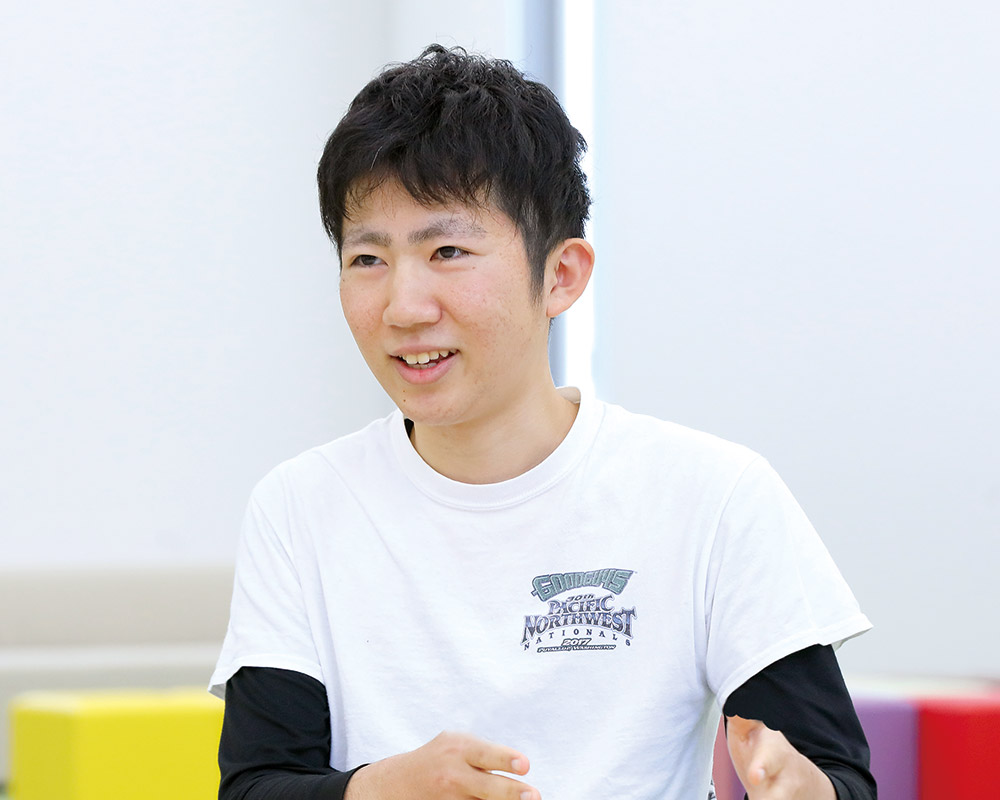
2nd year student, Aya Fukuda
(Miyagi Prefecture / Tohoku Gakuin Ryugaoka High School graduate)
The words of my high school principal, "I want you to become people who can manage AI, not be controlled by it," left a deep impression on me, and I decided to study information technology. When I entered university, I had almost no specialized knowledge, but thanks to the teachers who patiently and repeatedly taught me, I was able to learn the fundamentals thoroughly.
"Programming Fundamentals" is a class where students learn programming skills through game creation. They experience a sense of accomplishment when they complete a project after much trial and error. In "Social Survey Practice," students set their own questions and answer choices, conduct a survey, analyze the data, and write a paper.
During my university life, I serve as an orientation leader and campus tour guide. I'm a little nervous about speaking in front of people, but I hope to overcome this through these activities, build my confidence, and grow even more.