
Learning in local fields
Department of History at Tohoku Gakuin University is a hub for history education and research in the Tohoku region, engaging in activities deeply rooted in the local community. Our Department of History education emphasizes active field learning in addition to textual analysis. Experiences such as archaeological excavations, interviews with local residents, and surveying castle ruins—all utilizing all five senses—will profoundly change your perspective on history. Our diverse and community-oriented curriculum also leads to professional careers, and many graduates of Department of History are active as curators and teachers throughout Tohoku.
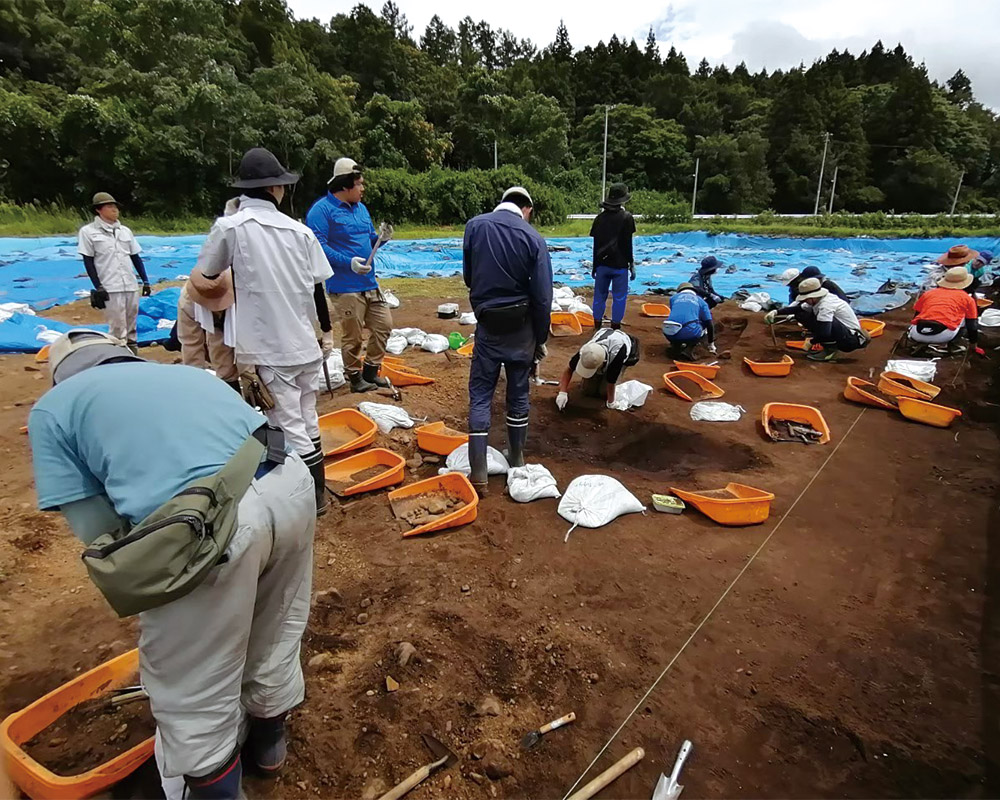
Connecting with the world through history
Alongside locally focused field experiences, a defining characteristic of learning at Tohoku Gakuin University's Department of History is its international focus. Our Department of History boasts numerous faculty members specializing not only in Japanese history but also in foreign history, allowing students to study the history of various regions around the world, from Asia to Europe. We also place a strong emphasis on foreign language learning, including English and Chinese, and many students write their graduation theses by reading and analyzing overseas literature. Furthermore, some seminars offer opportunities for overseas study, providing ample opportunities for international exchange. Through your studies in Department of History, we encourage you to spread your wings from Tohoku to the world!
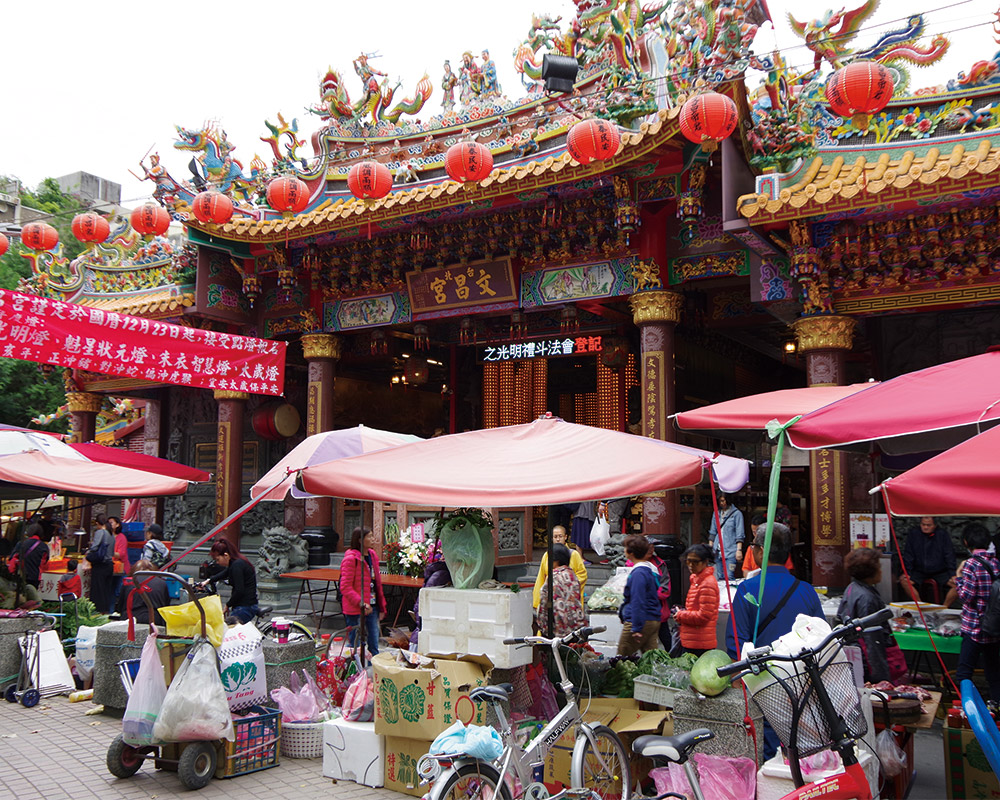
Learn a wide range of subjects in one place.
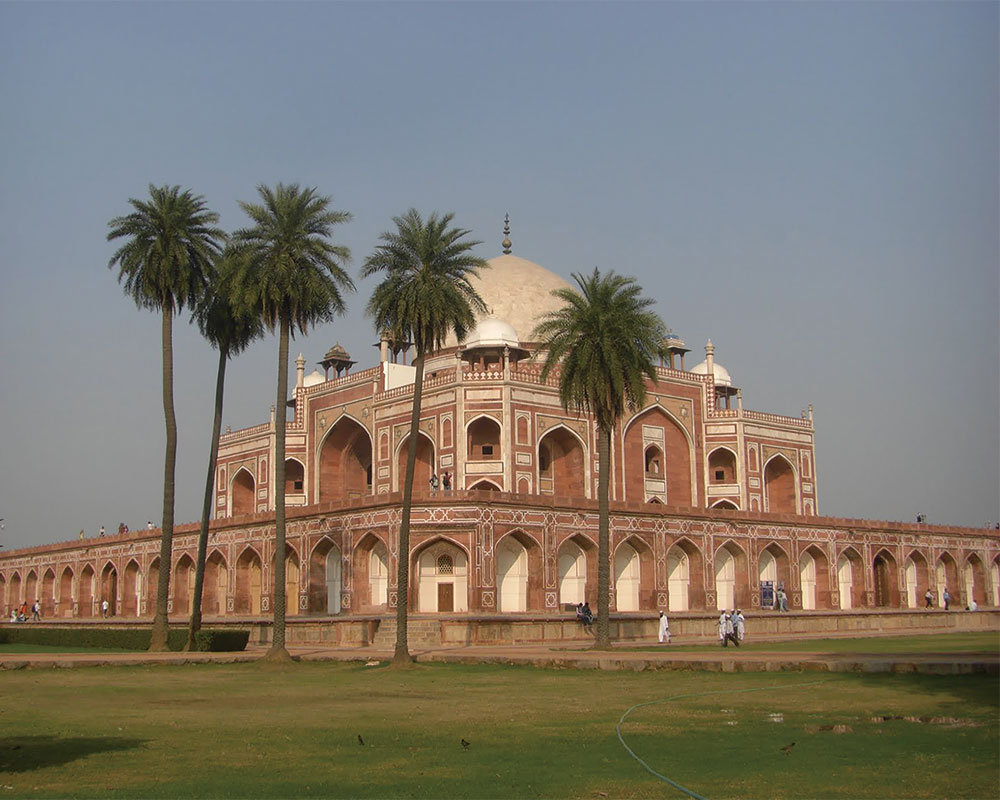
At Tohoku Gakuin University's Department of History, you can not only comprehensively study Japanese history, Asian history, and European history, but also explore a wide range of fields related to human activities, such as archaeology and folklore. A total of 17 professors are dedicated to each field, and even within Japanese history alone, there are five faculty members specializing in different periods: ancient, medieval, Sengoku, early modern, and modern. We are confident that we can satisfy your interest in history.
Thorough small-group, practical education
In addition to the ability to study a wide range of fields in one place, another distinctive feature is the seminar system where students write their graduation theses under the guidance of individual professors. Students choose a research topic based on their interests, select a supervisor, and join a seminar. From their third year, they study the specialization of their chosen period and field with their selected professor. With a maximum of 15 students per seminar, the distance between professors and classmates is close, allowing students to deepen their knowledge of their research field through individual guidance and group work. Depending on the research field, fieldwork in various locations after leaving the university is also a distinctive feature. Students accumulate learning both inside and outside the university, practically acquiring the skills they need to enter society. Let's spread our wings and soar into the wider world through our studies in Department of History.

Learning history from a multifaceted perspective
An environment where you can thoroughly pursue what you love.
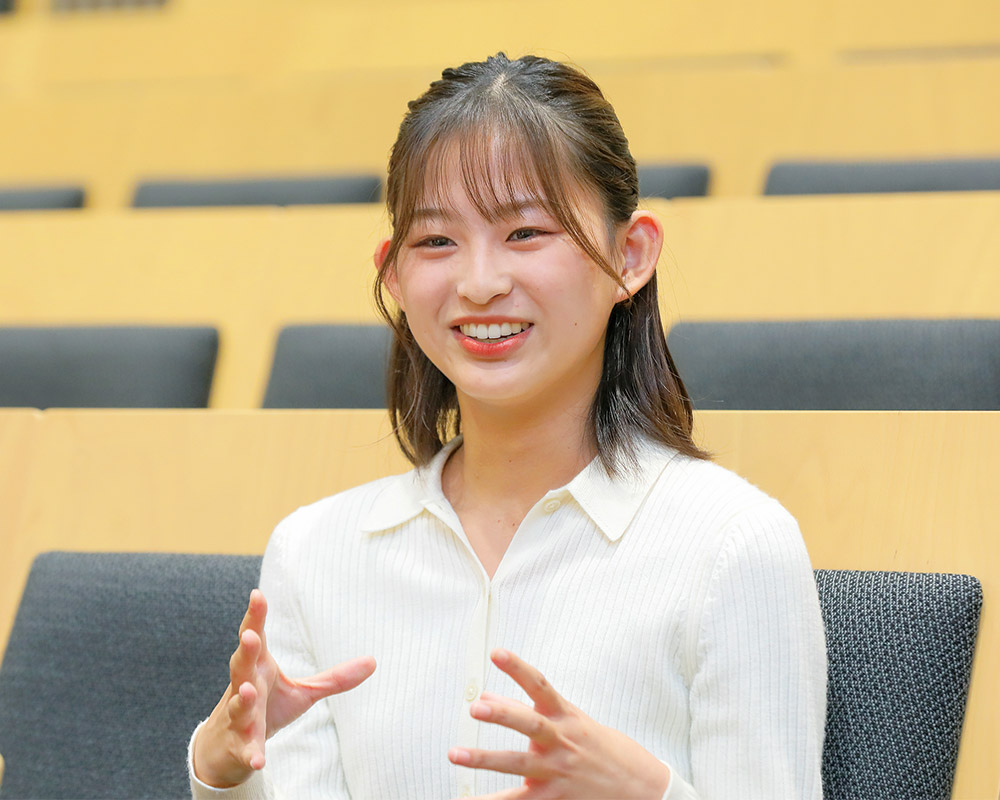
3rd year student, Chiba Shizuki
(From Iwate Prefecture / Graduate of Ichinoseki Second High School)
I've loved history and visiting museums since I was a child. For me, this university was the only choice for higher education. The classes are just as interesting as I expected. The biggest attraction is that it has top-notch faculty members in each field, including Japanese history, Asian history, European history, archaeology, and folklore. You can view history from a multifaceted perspective. I like the atmosphere where both the professors and students are thoroughly pursuing their respective passions.
My seminar group is involved in collaborative research on "itabi" (stone steles) from the Kamakura period, and I often have opportunities to help with surveys and exhibitions. I'm immersed in history every day, volunteering at the annual Noh performance held in Hiraizumi, Iwate Prefecture, and working part-time as reception staff at lectures and other events. My dream is to work as a museum curator in the future. My hometown of Ichinoseki has many museums and archives that house valuable historical materials, and I want to share their appeal with a wider audience.