
Departmental characteristics
Learn specialized skills to collect, analyze, and interpret local data.
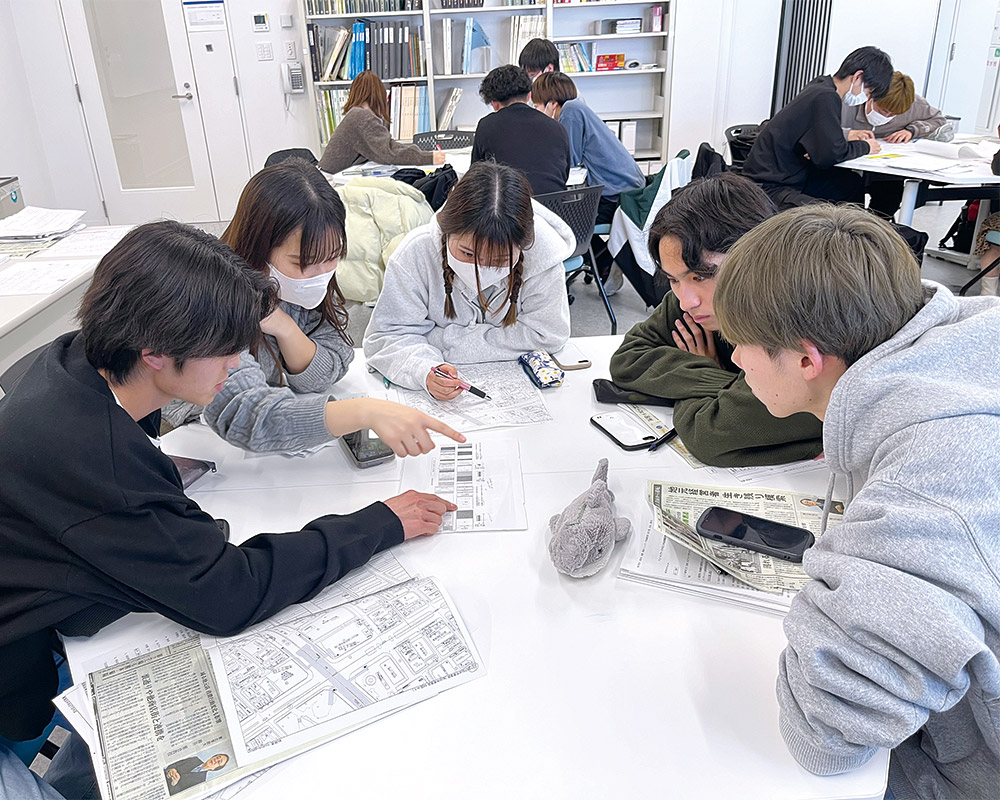
Geographic Information Systems (GIS) are software programs that allow for the mapping and analysis of various types of information about a region onto a map, and their use is advancing in many fields. In the "GIS Practice" specialized course in Department of Regional Community Studies, students can acquire the necessary skills for analyzing a region through practical exercises using GIS. In this course, students will gain a deep understanding of the region and the ability to apply that knowledge through practical lectures and exercises led by faculty members with practical experience. Furthermore, by completing the required courses and acquiring the necessary credits, students will be able to obtain qualifications such as a GIS Academician.
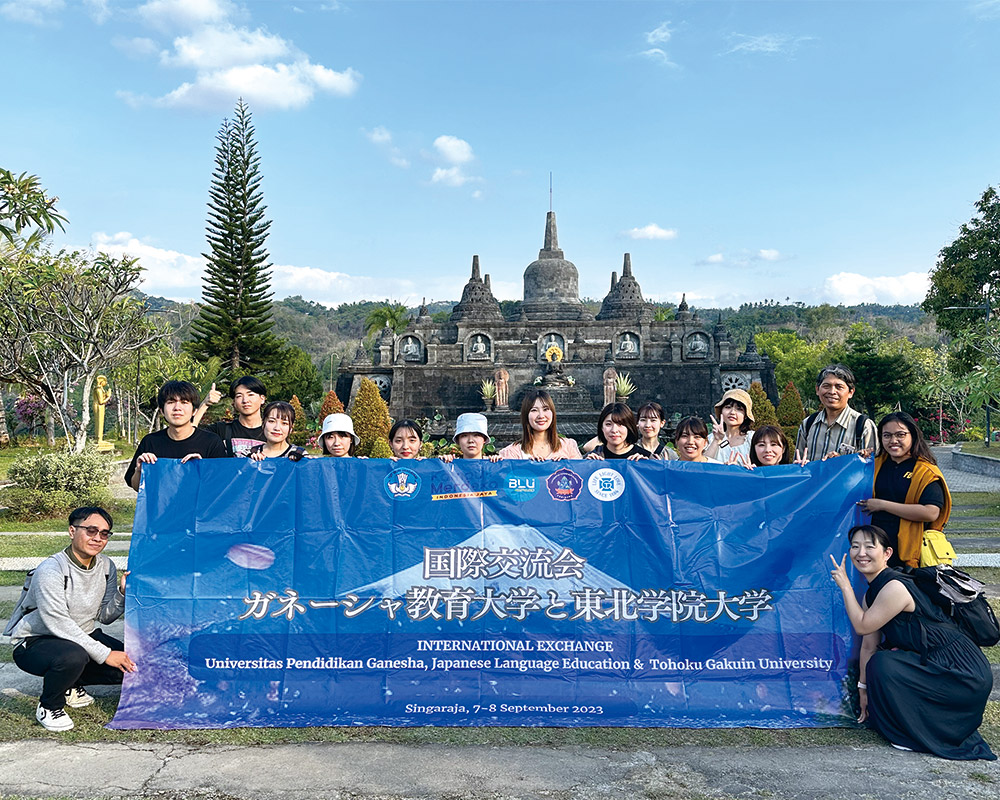
Experiencing the diversity of the world and re-examining our local communities
Through "overseas regional internships" and seminar activities, you can participate in fieldwork abroad. At the internship site, you will interact with local university students, visit companies, and investigate lifestyles, cultures, and natural environments that are completely different from those in Japan. These experiences will not only be part of your learning as part of university classes, but will also become valuable life experiences. Exploring your insights and questions after returning will deepen your understanding of the region. Experiencing different ways of life in different regions will lead to re-examining your own local area from a new perspective.
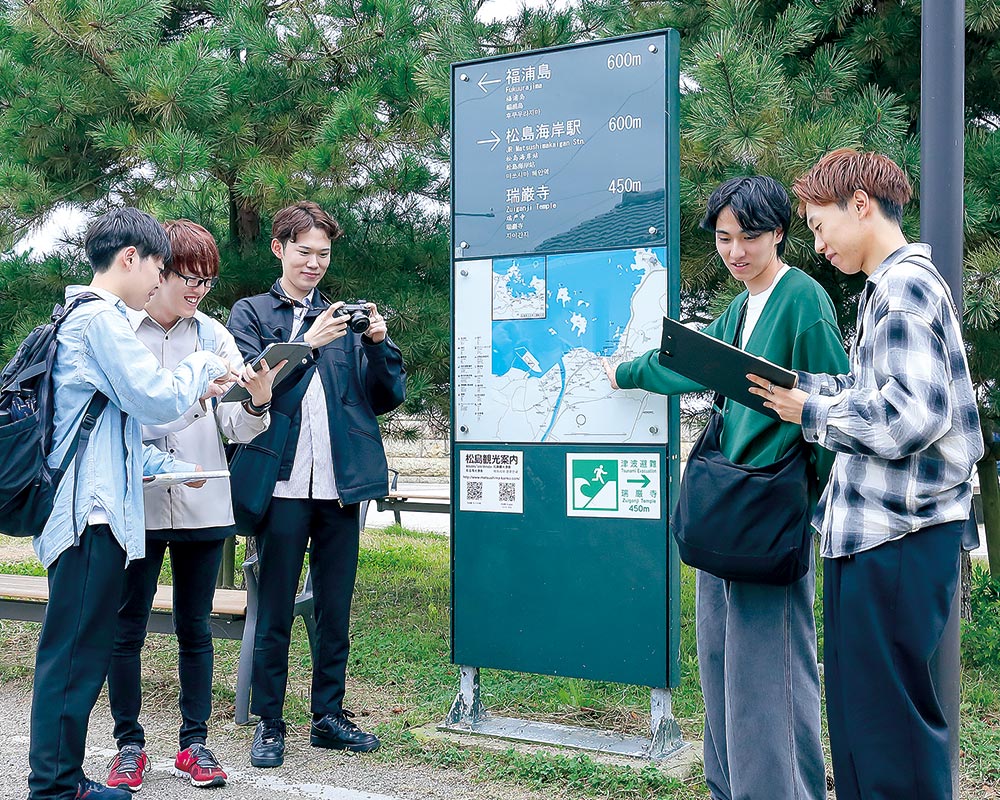
Walk, see, listen, think
—Learning from the local community: Second-year practical training—
The second-year "Advanced Practical Training in Regional Community Studies" differs significantly from the experiential practical training in the first year. The region itself is the "learning place," and students go into the field to gain direct learning about the region's structure, traditions, and culture. After reviewing prior research and understanding existing data, students collect data in the field through nature observation and interviews with government agencies, local residents, and related groups, and then return to the university for analysis. They deepen their understanding through discussions in small group work and compile their findings into presentations and reports. In this way, students plan and conduct regional research themselves. The emphasis is on learning "from" the region and the knowledge and experience gained from it.
Addressing ongoing local issues
This is exactly the kind of learning I was looking for!
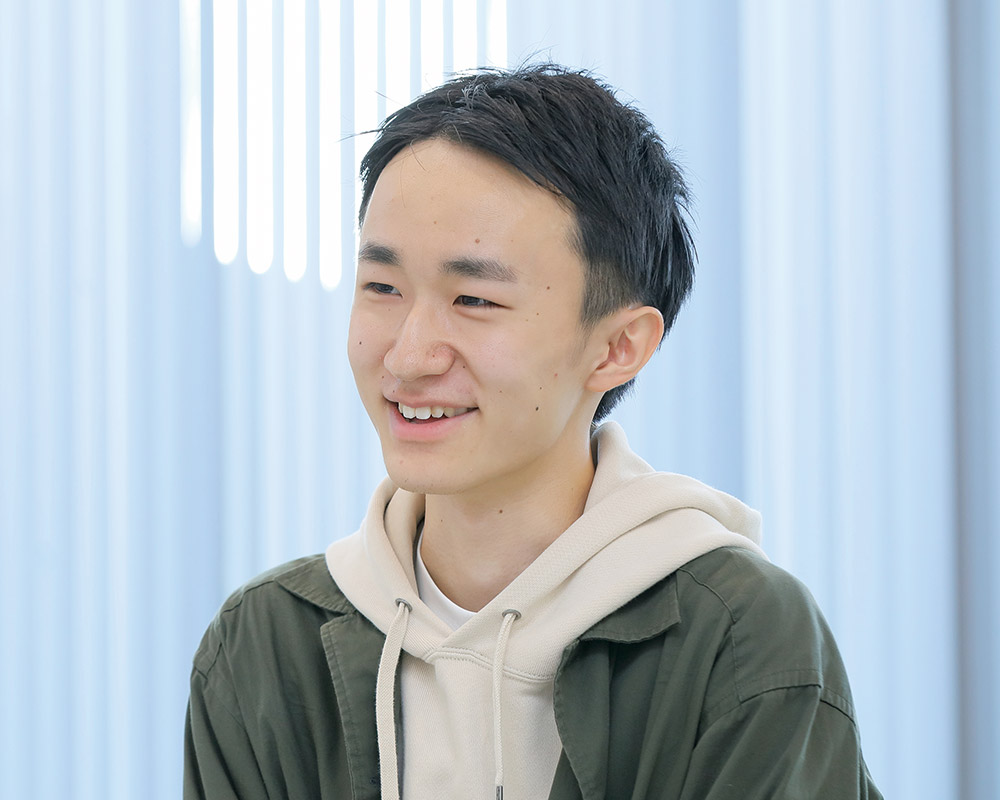
2nd year student, Nonoharu Matsuura
(From Miyagi Prefecture / Tagajo High School)
It's regrettable that the close, traditional relationships within the community are disappearing, and I was thinking, "Is there anything I can do?" when this new department was established. It was exactly the kind of learning I was looking for. In the classroom lectures, the lectures on volunteering, NPOs, and civic activities are fascinating. For fieldwork, we chose a theme ourselves regarding the shopping streets of Ishinomaki, and we actually interviewed shop owners and tasted local cuisine to check the ingredients.
I belong to a volunteer club on campus and a student group that helps liven up the Sendai Aoba Festival. I started my part-time job as a lifeguard at the public swimming pool because I wanted to learn what is needed in public facilities. Also, this year I am participating as a member of the Tagajo City Comprehensive Plan Deliberation Committee, thanks to a recommendation from the university. This is a valuable opportunity that I wouldn't have encountered if I hadn't entered this department, so I want to give it my all.