Policy Design Practice
(From the second year onwards)
 10 options
Students can choose from 10 practical training courses led by highly specialized instructors.
 Fields both domestically and internationally
Our field of activity ranges from familiar areas in the six prefectures of Tohoku to Kyushu, and even overseas (Malaysia).
 Practical
problem solving ability
Developing problem-solving skills through interaction and collaboration with people who are actually working on local issues.
Policy Design Practice
Learn with your whole body, learn on the job.
This course aims to enhance problem-solving skills through interaction and collaboration with people actually working on various local issues. You will meet people on the ground, see, hear, and feel, learning with your whole body and mind.
Ten unique practical training courses
- You can choose from 10 practical training courses, each taught by a unique faculty that leverages their respective areas of expertise.
- Some courses involve practical training abroad.
*The details of the practical training are Department official Instagram It is also published there.
Thinking about the future vision for community development through the regional comprehensive plan.
- Instructor: OKUYAMA, Tadahiro
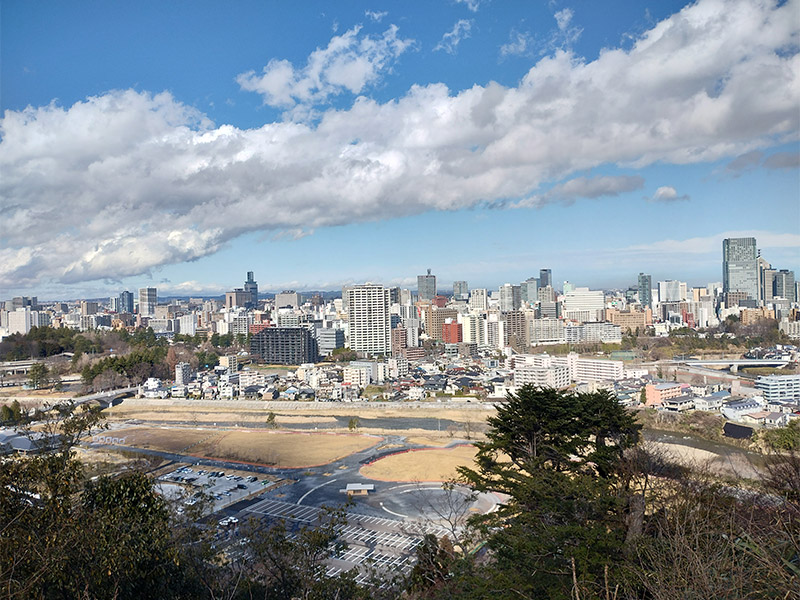
- In municipalities such as Sendai City and Natori City, various policies are implemented based on plans specific to each municipality, known as regional comprehensive plans. A crucial part of formulating these plans is envisioning the future of each municipality. Without a vision for the future, it will be difficult for regional policies to be effective. In this exercise, you will literally draw a picture (landscape) of the town in the future.
Learning about the significance of social support for child-rearing through participant observation at child-rearing facilities.
- Instructor: KOMIYA, Tomone
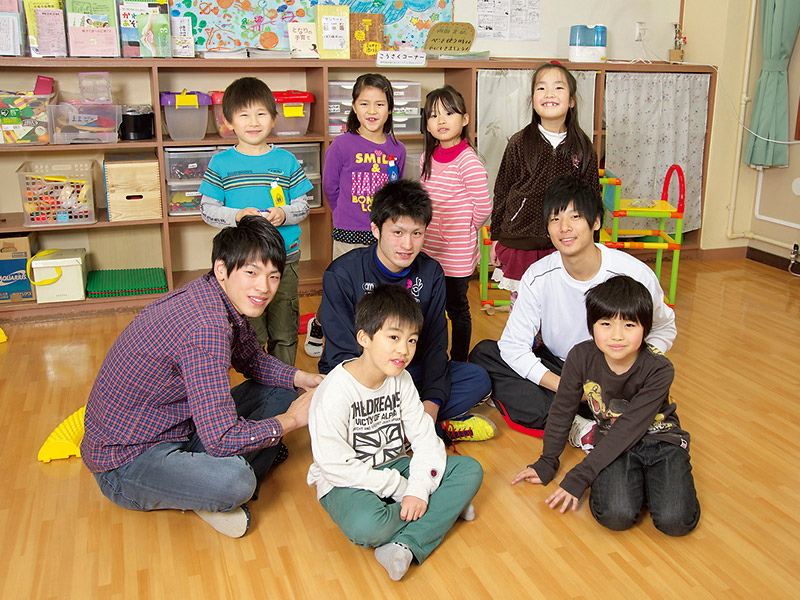
- Through hands-on work at a children's center, you will learn about the social environment surrounding child-rearing and the practical knowledge of those working in child-rearing support facilities. Although it's a short period, working alongside staff at the facility will allow you to learn what specific concerns they have and the ingenuity they employ. Furthermore, based on this learning, let's reconsider the principles that should guide the design of our society's systems for nurturing the next generation.
How have non-profit organizations been involved in disaster recovery?
- Instructor: SAITO, Yasunori
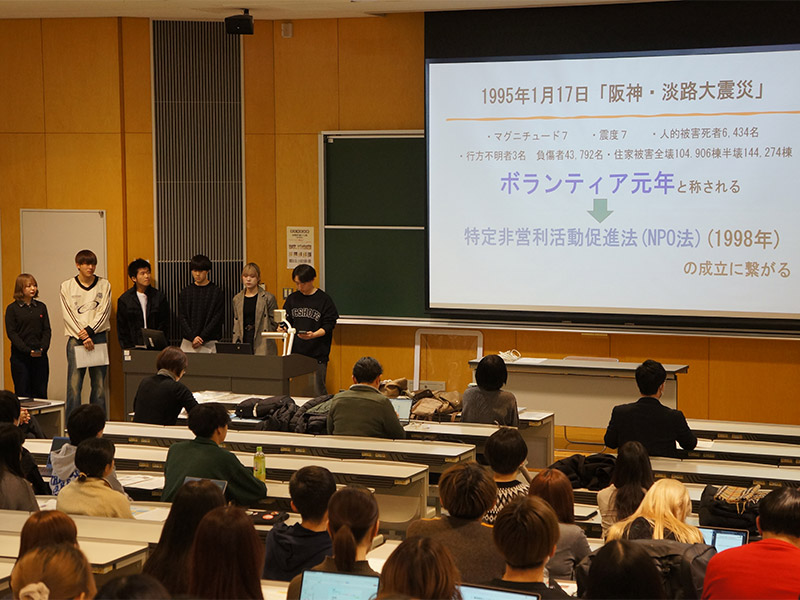
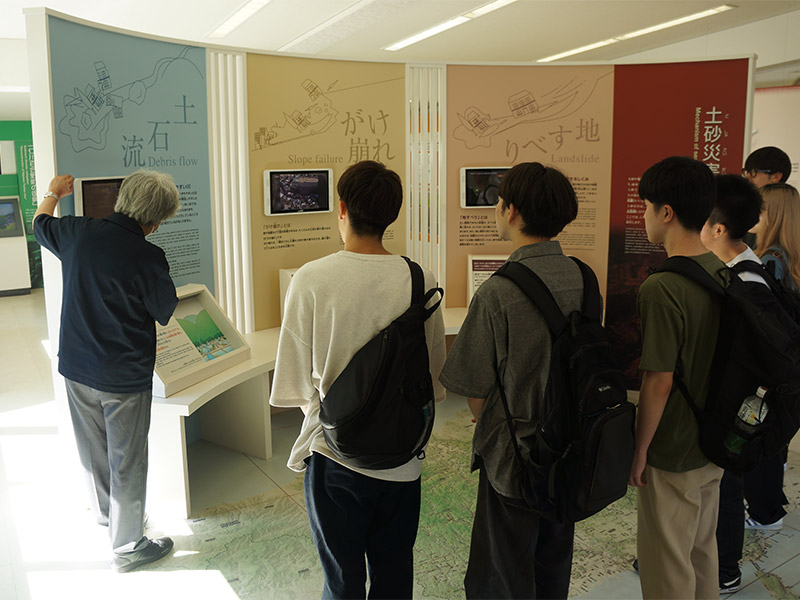
- Following the volunteer activities after the Great Hanshin-Awaji Earthquake, the Act on Promotion of Specified Nonprofit Activities was enacted (1998), and the number of nonprofit organizations (NPOs) began to increase in Japanese society. In this internship, we will go to Kobe, a disaster-stricken area of the Great Hanshin-Awaji Earthquake, and conduct interviews with disaster relief NPOs that have been working since the disaster struck in 1995 and have continued to provide support to disaster victims and engage in reconstruction and community development in various disasters throughout the country.
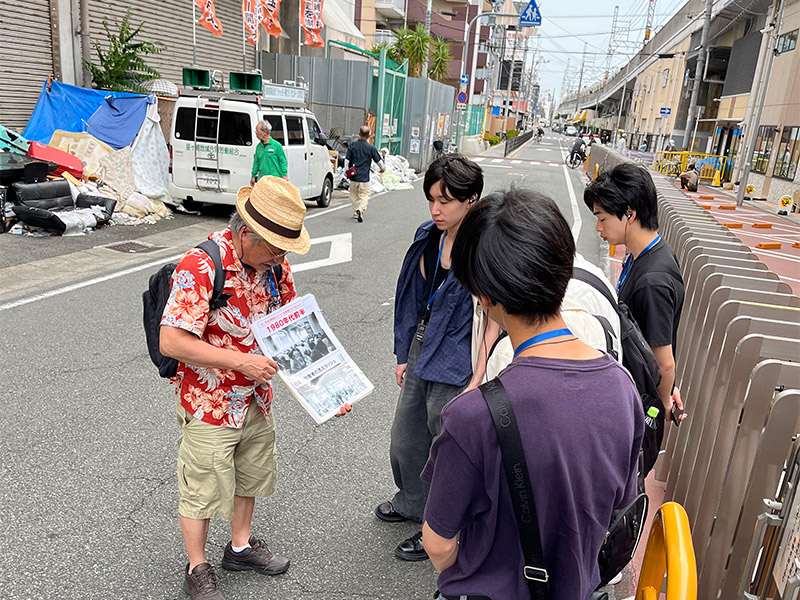
Learning about poverty from Kamagasaki and Tobita Shinchi
- Instructor: MUTO, Atsushi
- In Kamagasaki (Airin district), a district in Nishinari Ward, Osaka City, which is Japan's largest day labor district, the presence of homeless men is clearly visible. Adjacent to Kamagasaki is Tobita Shinchi, a red-light district, where the presence of prostitutes is also clearly visible. In this practical training, we will learn about the manifestation of such poverty problems and their background, and then actually visit the area to understand the situation and learn about the support being provided.
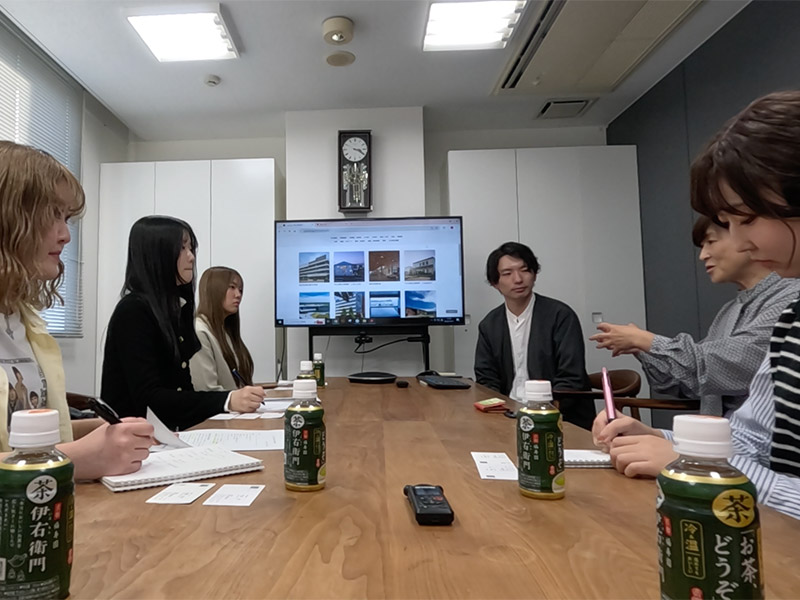
Create a media platform that introduces local businesses (introduces local businesses and their work).
- Instructor: WADA, Masaharu
- Many local businesses are attractive, but opportunities to communicate their appeal are currently limited. Expanding transactions and increasing interaction among local businesses is crucial for stimulating the local economy, not only for student employment but also for overall economic development, and creating such opportunities is valuable. In this internship, students will work to introduce the appeal of local businesses from their own unique perspectives, with the goal of realizing a theme-like concept. At the same time, they will learn about article writing techniques and theories and skills for effective communication.
- Articles written by students
- This section showcases the learning outcomes of students in the "Seminars," "Regional Project Practice," and "Policy Design Practice" courses taught by Masaharu Wada. We will also introduce initiatives by local businesses and municipalities.
Community development utilizing hometown tax donations: Lessons from the initiatives of Miyakonojo City, Miyazaki Prefecture
- Instructor: IGAKURA, Masashi
- The Furusato Nozei (hometown tax donation) system, which began in April 2008, is currently facing various problems, including an intensification of competition for return gifts that has deviated from its original purpose. However, there are also local governments that are using the donations collected from all over the country to create vibrant communities.
In this practical training, we will visit Miyakonojo City in Miyazaki Prefecture, which received the highest amount of donations in Japan in 2023, and hear from local government officials involved in the hometown tax system, staff of organizations working to support migrants, and migrants themselves.
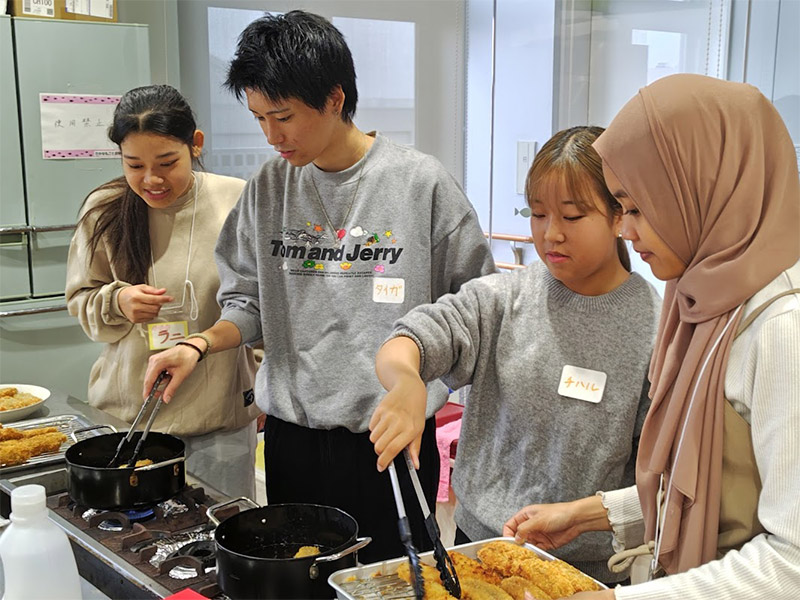
Conducting fieldwork in the field of multicultural coexistence.
- Instructor: ISHIKAWA, Shinsaku
- In response to the increasing number of foreign residents, initiatives for "multicultural coexistence," aiming for coexistence among people of different cultures, are being undertaken in various places. In this internship, we will participate in field research using participant observation by taking part in support activities for foreigners conducted by local governments and NPOs in Sendai City and the surrounding Miyagi Prefecture. In addition, we will take a study tour to areas with large foreign populations, such as the Chubu region, to interact with local foreign residents and NPO personnel and learn about various initiatives.
Considering the current situation and challenges of facilities for the elderly from the perspective of the elderly.
- Instructor: ICHIKAWA, tatsuki
- One of the major challenges facing Japanese society today is the aging population. From an economic perspective in particular, the aging population problem is emphasized as a decrease in the labor force due to a decline in the proportion of the working-age population, while at the same time, it increases the burden on citizens due to rising social security costs for the elderly. In this internship, while deepening our understanding of the aging population problem in Japan, we will consider the current state and challenges of policies for the elderly in Japan from the perspective of the elderly themselves, through hands-on experiences such as wheelchair use and visits to elderly welfare facilities in Sendai City.
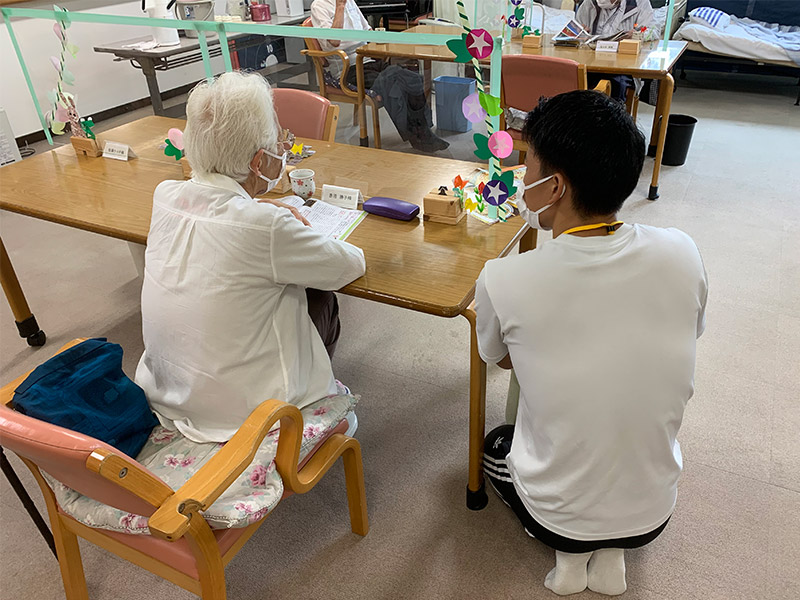
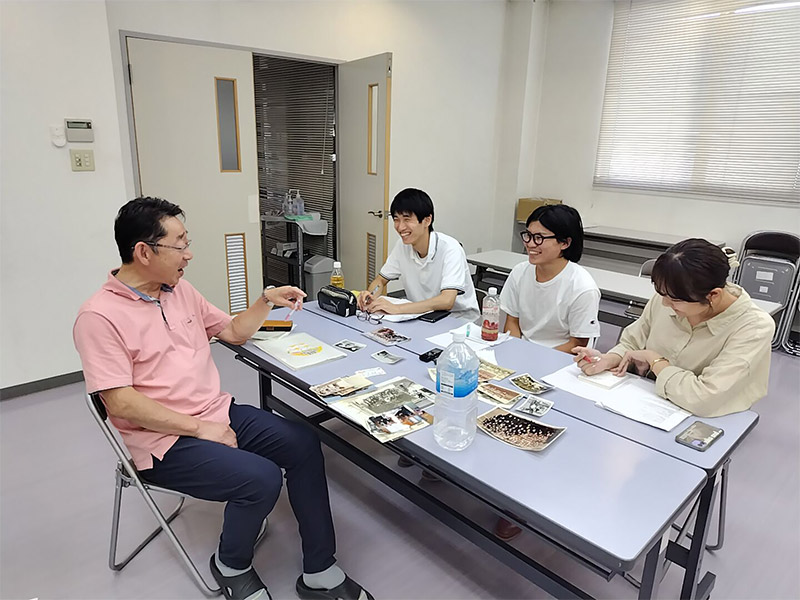
Learning Interviewing Techniques – From the Front Lines of Discrimination Issues
- Instructor: KUROSAKA, Ai
- We visit sites where discrimination is occurring and carefully listen to the life experiences of people who are social minorities, learning about the paths they have taken. Through concrete encounters with those directly affected, we deepen our understanding of the issue, cultivate sensitivity to the diversity of our society, and develop the ability to connect social problems to our own lives.
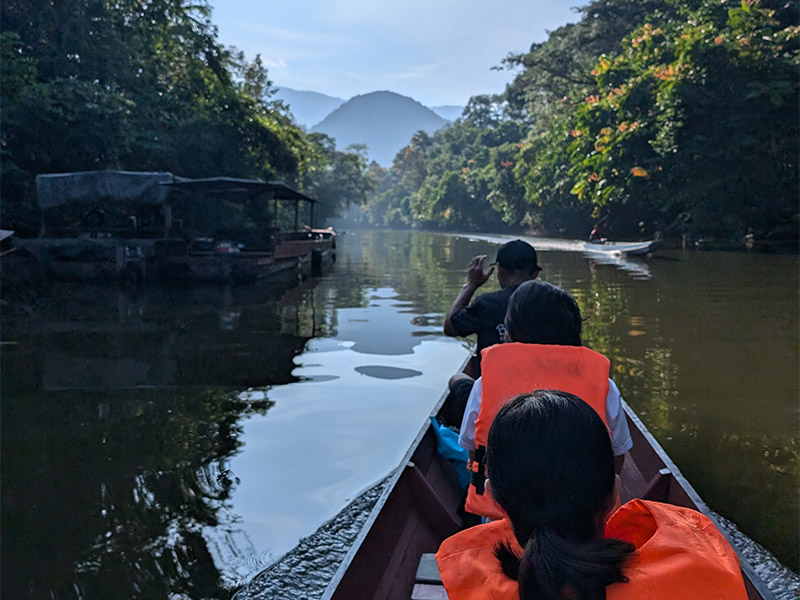
Beyond everyday life: A tropical rainforest experience tour
- Instructor: SAKUMA, Kyoko
- Our daily lives in Japan are heavily dependent on resources originating from Southeast Asia. In this practical training, we will learn how the world "on the other side" that supports our lives is structured and how it is connected to our daily lives, and we will actually experience the tropical rainforests of Southeast Asia. Specifically, we will visit Sarawak state in Malaysia, tour wildlife reserves and oil palm plantations, and experience life in an indigenous village.
Internship report meeting
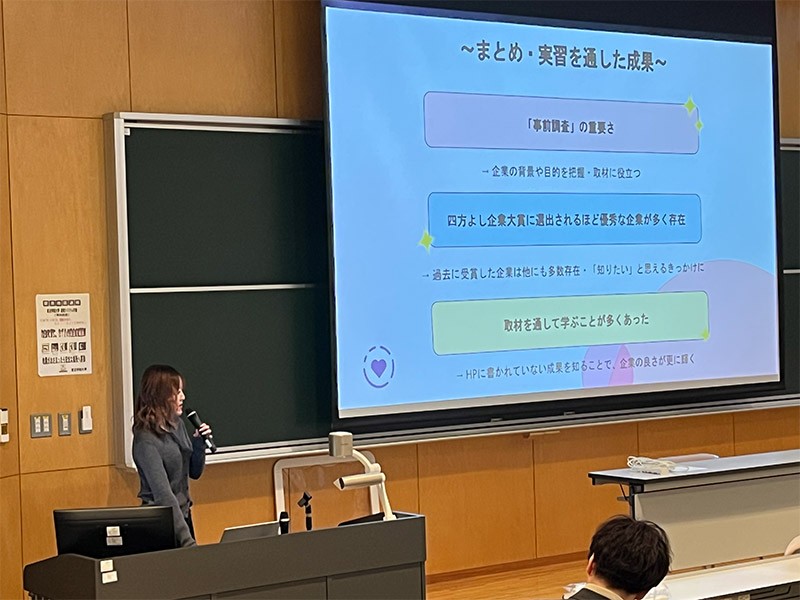
Policy design internships are not simply a matter of "participating in the internship and that's it!" Every internship includes pre-internship learning and post-internship learning, including a reporting session and report submission.
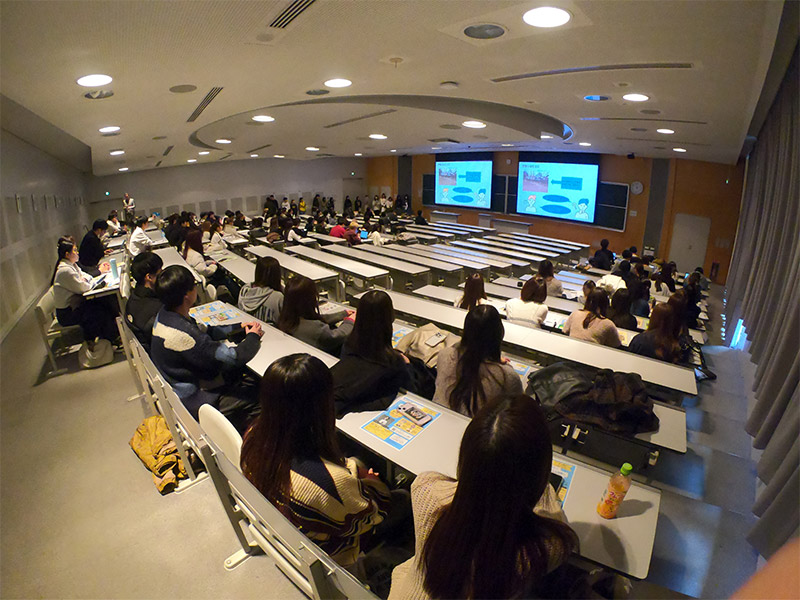
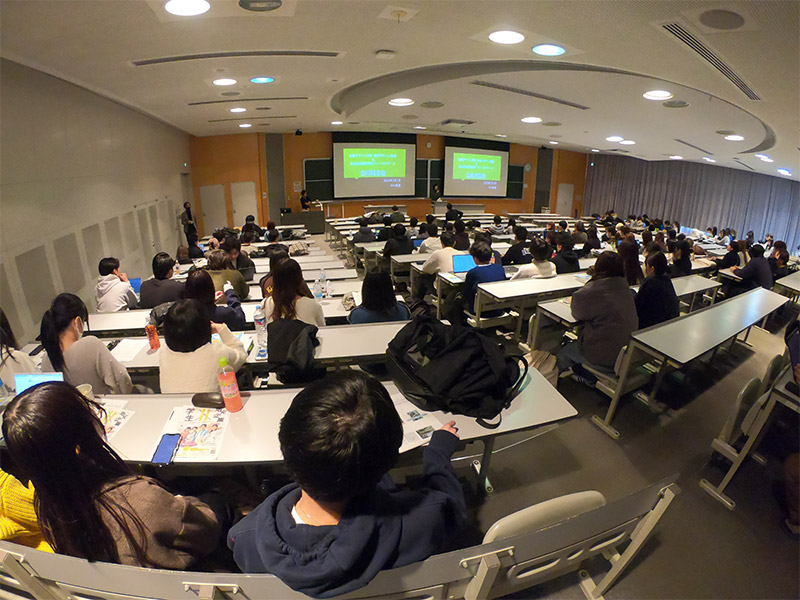
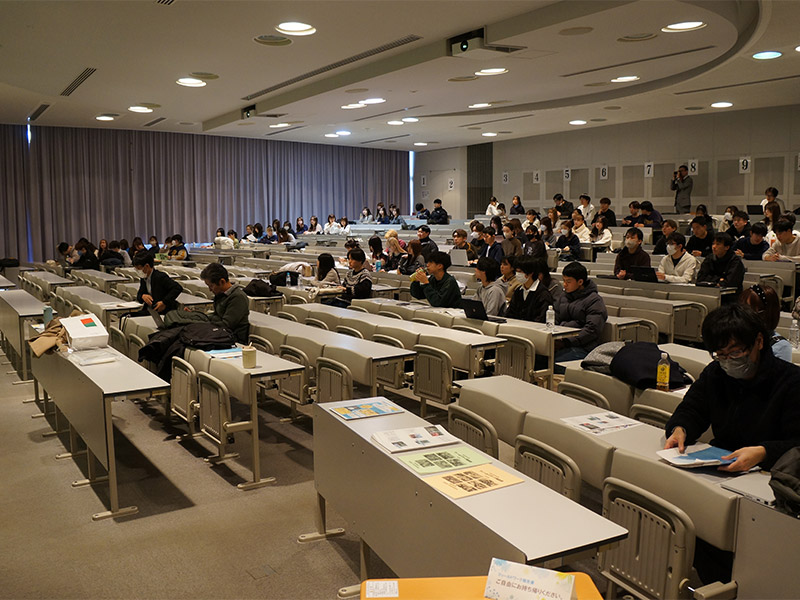
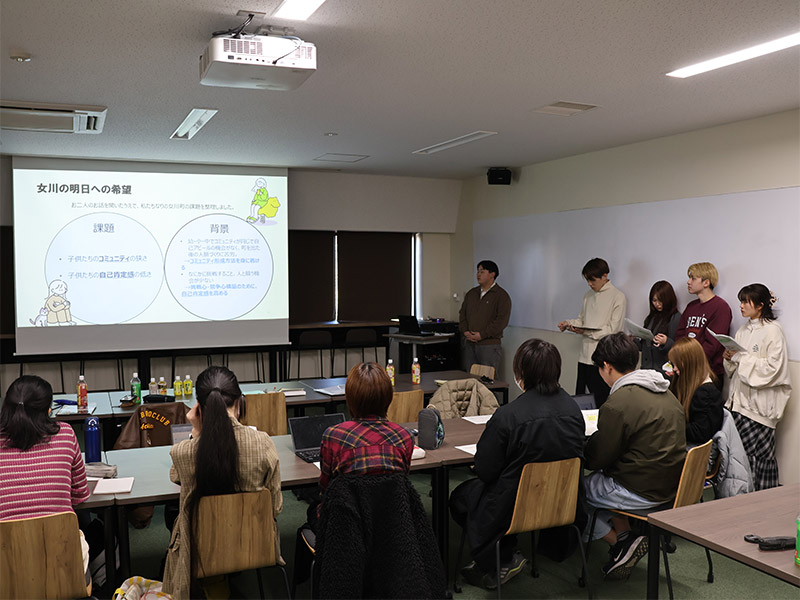
Every year, our department holds a presentation session where students who have taken the Policy Design Practice course present their findings. Sharpen your output skills by presenting the results of your preparation, practice, observation, and analysis in front of a large audience of students and faculty!
*The events of the day were Department official Instagram It is also published there.