
Held on December 19, 2019
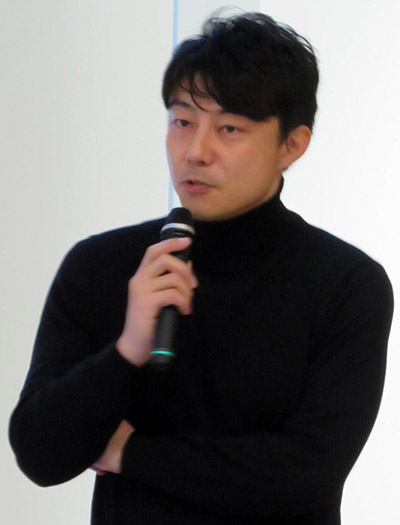
Lecturer: Yusuke Ohashi (Representative Director, NPO Asuiku)
Graduated from the University of Tsukuba. After working in organizational development and human resource development consulting at a Recruit Group company, she became independent. She founded Asuiku immediately after the 2011 earthquake. Her publications include "3/11 Disaster Area Children's White Paper." She has served as Vice Chairperson of the Sendai City Collaborative Community Development Promotion Committee, among other positions. She received the President's Special Award at the Japan Junior Chamber International's "Human Potential Award."
One of the participating students asked, "What is necessary for truly struggling children and their parents to connect with support?" I believe the answer is "connecting with those who are connected to those in need." Each individual living in this society needs to take an interest in poverty, notice the signs from those in need around them, build relationships, and sometimes gently encourage them to connect with the necessary support. There are things that ordinary people, not support professionals, can do. I would be happy if this workshop could contribute to as many people as possible taking an interest in this issue and becoming watchful eyes.
Student impressions
- Through this lecture, I gained an understanding of the current state of poverty among children in Japan and the potential for social contribution through the activities of NPOs. While I studied poverty academically at university, listening to Ms. Ohashi's lecture, who is actually involved in providing support, made me realize that there were many areas where my understanding of the current state of poverty and future challenges was insufficient. I intend to utilize this learning in my future research. (T.)
- I heard a story about how poverty in Miyagi Prefecture became apparent after the Great East Japan Earthquake on March 11th, and how Ms. Ohashi launched an activity called Asuiku to help these impoverished children. Although the earthquake was the catalyst, I thought Ms. Ohashi was a very respectable person for thinking about what she should do and what kind of activities would benefit society, and then taking action. It was a very meaningful time for me to have the opportunity to think about the difference between poverty and being poor, and why poverty is a problem. In particular, regarding the question of "why is poverty a problem," I had unconsciously only seen it as a "problem," so it was good to think about "why?" and "in what ways?" it is a problem. (S)
- I had the opportunity to hear about the NPO Asuiku's vision: to nurture children within society and watch over them in the community. Ms. Ohashi stated that to break the cycle of poverty, it's more important for children to find a way of life they can affirm themselves, rather than being forced to participate in the social game of musical chairs by getting a job at a good company. These words were particularly persuasive coming from Ms. Ohashi, who, through her diverse career, is now doing what she truly wants to do. Finding a way of life one can affirm oneself is an extremely difficult life challenge, regardless of income. However, I strongly felt that if children can find something that gives them confidence, even if not a sense of purpose, through their involvement with Asuiku, it will become a spiritual pillar for their future lives. (S)
- I used to think Asuiku was just a place to teach children, but after listening to the lecture, I realized it's about interacting with children and working together to solve invisible problems. The reality of poverty in other people is often invisible to those around them. Among those, I think children's problems are particularly hard to see. We often hear that these problems become more apparent during disasters, which shows just how invisible they are. In this context, Asuiku plays a role in understanding the current situation and taking steps to solve problems by interacting with children. Having such opportunities is a positive thing for children as it helps them release stress and is thought to have the effect of reducing the number of people who are isolated from society. I felt that we are getting closer to a society where we can provide children with an environment in which they can live with dreams and hope. (Ms. O)